Profile cutting is one of the most critical processes in modern metal fabrication. Across industries such as structural steel fabrication, shipbuilding, construction, automotive, heavy engineering, railways, energy, and infrastructure, profile cutting determines how efficiently raw metal plates are transformed into finished components. Accuracy, edge quality, productivity, and repeatability at the profile cutting stage directly influence downstream processes such as welding, bending, machining, and assembly.
For manufacturers seeking reliable CNC cutting services in UAE, including CNC cutting in Dubai, selecting the right profile cutting technology is a foundational business decision.
In today’s highly competitive manufacturing landscape, profile cutting is no longer a basic cutting operation. It has evolved into a technologically advanced, digitally controlled, and highly optimized process. Manufacturers demand cutting systems that can handle a wide range of material thicknesses, deliver consistent cut quality, reduce operating costs, and integrate seamlessly into automated production environments.
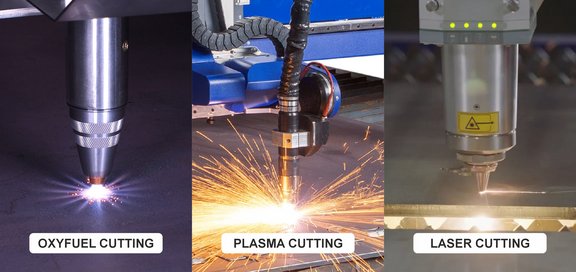
Among the various cutting technologies available, oxyfuel, plasma profile cutting, and laser profile cutting dominate industrial metal processing. Each technology offers distinct advantages and is suited to specific applications. When these technologies are combined with robust machine design, intelligent CNC control, advanced software, and automation, they become powerful, future-ready cutting systems.
Profile Cutting in Modern Manufacturing
What Profile Cutting Really Means?
Profile cutting refers to the CNC-controlled cutting of predefined shapes known as profiles from metal plates. These profiles may include straight cuts, contours, holes, slots, and complex geometries, often combined with bevels for welding preparation. The defining characteristic of profile cutting is precision through automation, achieved by translating digital designs directly into physical components.
Unlike manual or semi-automatic cutting methods, CNC profile cutting ensures:
- Dimensional accuracy across large production batches
- Repeatability independent of operator skill
- Efficient use of raw material through optimized nesting
- Reduced rework and scrap
- Higher overall productivity
Role of Profile Cutting in the Production Chain
Profile cutting sits at the very beginning of the fabrication process. Any inaccuracy or inconsistency introduced at this stage propagates downstream, increasing welding time, fit-up issues, distortion, and overall cost. As a result, manufacturers increasingly view profile cutting not as a cost centre, but as a strategic process that defines quality and competitiveness.
This is where engineered cutting systems from Messer Cutting Systems play a vital role, delivering stable, accurate, and reliable performance over decades of operation.
Oxyfuel Profile Cutting
Fundamentals of Oxyfuel Cutting
Oxyfuel cutting is one of the most established and widely used thermal cutting processes in heavy fabrication. The process relies on the chemical reaction between oxygen and iron. A fuel gas—such as acetylene, propane, or natural gas is used to preheat carbon steel to its ignition temperature. Once the material reaches this temperature, a high-pressure jet of pure oxygen oxidises the metal and blows the molten oxide out of the kerf, creating the cut.
Because the process depends on oxidation, oxyfuel cutting is primarily limited to carbon steel and low-alloy steels.
Strengths of Oxyfuel Profile Cutting
Oxyfuel cutting remains indispensable in many industries due to its unique strengths:
- Exceptional capability for cutting very thick plates
- Stable cutting performance on heavy sections
- Relatively low investment cost for thick-plate applications
- Proven reliability in harsh industrial environments
Thickness ranges commonly extend from 10 mm to 300 mm or more, making oxyfuel the preferred solution for heavy-duty cutting tasks.
Limitations of Oxyfuel Cutting
Despite its advantages, oxyfuel cutting has limitations:
- Not suitable for stainless steel or aluminum
- Slower cutting speeds, especially on thinner materials
- Larger heat-affected zone compared to plasma and laser
Understanding these limitations helps manufacturers deploy oxyfuel cutting where it delivers maximum value.
Industrial Applications of Oxyfuel Profile Cutting
Profile gas cutting is extensively used in:
- Structural steel fabrication
- Shipbuilding and offshore platforms
- Bridges and infrastructure projects
- Steel service centers
- Heavy equipment manufacturing
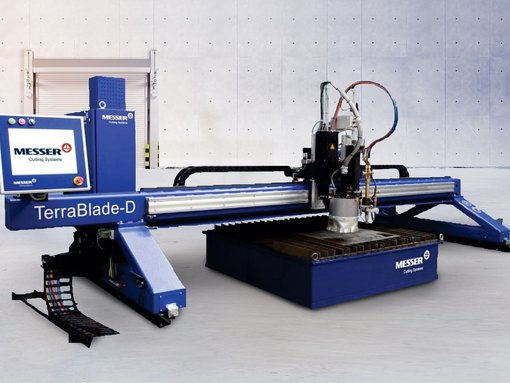
Messer Oxyfuel Cutting Systems
Messer Cutting Systems is globally recognized for its leadership in oxyfuel technology. Messer oxyfuel cutting systems are engineered for:
- Long-term dimensional stability on large-format plates
- Precise torch control and consistent flame quality
- Advanced gas safety systems
- Multi-torch configurations for higher productivity
Combined with rigid gantry designs and intelligent CNC control, Messer oxyfuel systems deliver dependable performance even in the most demanding production environments.
Plasma Profile Cutting
Principles of Plasma Cutting
Plasma cutting uses an electrically conductive gas that is heated to an extremely high temperature, transforming it into plasma. This plasma arc melts the material while a high-velocity gas stream removes the molten metal from the cut.
Unlike oxyfuel cutting, plasma cutting does not rely on oxidation. As a result, it can cut a wide range of electrically conductive materials, including mild steel, stainless steel, and aluminum.
Key Advantages of Plasma Profile Cutting
A CNC plasma cutting machine in UAE and globally has become one of the most widely used cutting systems due to its versatility and productivity:
- High cutting speeds compared to oxyfuel
- Ability to cut multiple material types
- Reduced heat input and smaller heat-affected zone
- Good edge quality with minimal dross
Modern high-definition and precision plasma systems further enhance cut quality, hole accuracy, and edge squareness.
Thickness Range and Performance
Depending on the plasma power source, plasma profile cutting typically covers thickness ranges from thin sheet up to 50–80 mm. This makes plasma an ideal mid-range solution between oxyfuel and laser cutting.
Typical Plasma Cutting Applications
Plasma profile cutting is widely used in:
- General fabrication shops
- Heavy engineering and equipment manufacturing
- Automotive and transportation components
- Agricultural and construction machinery
Steel fabricators and manufacturers operating CNC plasma cutting machines in UAE rely on high-definition plasma systems for consistent quality and productivity.
Messer Plasma Cutting Systems
Messer Cutting Systems integrates world-class plasma power sources with robust CNC cutting machines to create high-performance plasma profile cutting machines. Key features include:
- Precision plasma and high-definition plasma options
- Automatic torch height control for consistent quality
- Optimized process databases
- Excellent hole quality and edge squareness
Messer plasma cutting systems are designed for continuous industrial use, delivering consistent performance, high uptime, and excellent return on investment.
Laser Profile CuttingMachine
Fundamentals of Laser Cutting
A Laser profile cutting machine uses a highly focused laser beam to melt or vaporize material along a programmed cutting path. Fiber laser technology has become the dominant solution due to its high efficiency, compact design, and low maintenance requirements.
Laser cutting is characterized by extremely high energy density, enabling precise, narrow kerfs and minimal thermal distortion.
Advantages of Laser Profile Cutting
Laser profile cutting offers unmatched precision and speed on thin to medium thickness materials:
- Exceptional dimensional accuracy and repeatability
- Very narrow kerf width
- Minimal heat-affected zone
- Excellent edge quality, often eliminating secondary finishing
Application Range
Profile laser cutting is ideal for:
- Precision sheet metal fabrication
- Automotive and rail components
- Electrical enclosures and cabinets
- High-value engineered parts
Manufacturers investing in a fiber laser cutting machine in UAE benefit from superior edge quality, faster cycle times, and reduced secondary finishing requirements.
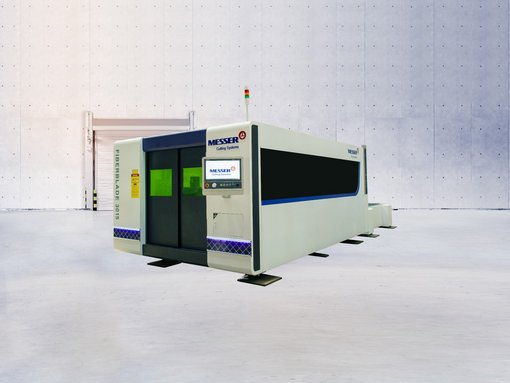
Messer Laser Cutting Systems
Messer Cutting Systems offers advanced fiber laser cutting machines designed specifically for industrial manufacturing. Messer laser cutting systems feature:
- Rigid machine structures for long-term accuracy
- High-speed linear drives
- Intelligent CNC control and automation readiness
- Integration with loading, unloading, and smart factory solutions
These cutting systems are ideal for manufacturers seeking high throughput, automation, and premium cut quality.
Comparing Oxyfuel, Plasma, and Laser Profile Cutting
Each cutting technology serves a specific role:
- Oxyfuel Profile Cutting Machine: Best for very thick carbon steel and heavy structural work
- Plasma Profile Cutting Machine: Versatile solution for medium thickness and multi-material cutting
- Laser Profile Cutting Machine: High-precision cutting for thin to medium thickness applications
Many manufacturers deploy hybrid cutting systems combining multiple technologies on a single machine, maximizing flexibility and utilization.
CNC Control, Software, and Digital Integration
Modern Messer cutting systems are powered by advanced CNC controllers and CAD/CAM software. These systems enable:
- Direct import of CAD drawings
- Automated nesting for material optimization
- Intelligent parameter selection
- Simulation and collision avoidance
Digital connectivity supports Industry 4.0 initiatives, production monitoring, and predictive maintenance.
Automation and Productivity in Profile Cutting
Automation is a key driver of competitiveness in profile cutting:
- Multi-torch cutting increases throughput
- Automated plate handling reduces manual labor
- Part sorting and unloading improve workflow
Messer Cutting Systems offers scalable automation solutions tailored to each customer’s production requirements.
Quality, Safety, and Reliability
Cut Quality
Consistent cut quality depends on:
- Machine rigidity
- Accurate motion control
- Optimized cutting parameters
- Proper maintenance
Safety
Profile cutting involves high temperatures, gases, and electrical power. Messer cutting systems incorporate:
- Advanced gas safety devices
- Emergency stop systems
- Operator-friendly machine layouts
- Compatibility with fume extraction systems
Selecting the Right Messer Profile Cutting System
Key selection criteria for your CNC profile cutting machine include:
- Material type and thickness range
- Production volume and throughput requirements
- Desired cut quality and tolerance
- Automation and future expansion needs
With a comprehensive portfolio covering oxyfuel, plasma, and laser technologies, Messer Cutting Systems enables manufacturers to build future-ready cutting systems.
Conclusion: Advancing Profile Cutting with Messer Cutting Systems
Profile cutting using oxyfuel, plasma profile cutting, and laser profile cutting technologies remains the foundation of efficient and competitive metal fabrication. Each cutting method serves a distinct purpose, from heavy plate processing with oxyfuel to versatile multi-material cutting with plasma and high-precision production with laser. When applied with the right technology and process expertise, profile cutting becomes a powerful driver of productivity, quality, and operational efficiency.
What truly differentiates performance, however, is not the cutting technology alone but the engineering behind the cutting system. With decades of global experience, deep application knowledge, and continuous innovation, Messer Cutting Systems delivers far more than machines. Messer provides complete, future-ready cutting systems that combine proven cutting technologies, rigid and reliable machine design, intelligent CNC control, advanced software, and scalable automation.
By investing in Messer profile cutting solutions, manufacturers and fabricators gain a long-term production partner, one that enables consistent cut quality, higher throughput, lower total cost of ownership, and seamless integration into modern digital manufacturing environments. As fabrication demands continue to evolve, Messer Cutting Systems empowers customers worldwide to meet today’s challenges with confidence while staying prepared for tomorrow’s industrial requirements.
Take the next step toward smarter, more efficient CNC profile cutting machine solutions.
Connect with Messer Cutting Systems today and shape the future of your manufacturing.
Frequently Asked Questions:
1. What is the difference between oxyfuel cutting and plasma cutting?
Plasma cutting is a versatile process that can cut almost all types of electrically conductive metals, including stainless steel, aluminium, and copper. In contrast, oxy-fuel cutting is limited to ferrous metals like mild steel and wrought iron, and works best when the surface is clean (free from rust, paint, or coatings). It is not suitable for cutting stainless steel, cast iron, high-carbon steel, or non-ferrous metals.
2. What is oxyfuel cutting used for?
Oxy-fuel cutting is a thermal cutting process primarily used for cutting thick mild steel and structural steel components. It works by using a combination of fuel gas and pure oxygen to heat the metal surface to its ignition temperature (around 1800°F), after which a high-pressure stream of oxygen is directed onto the heated area to cut through the material. This method is widely used in industries such as fabrication, construction, and heavy metal processing due to its effectiveness on thicker steel sections.
3. What is a plasma cutting machine?
A plasma cutting machine is a tool used to cut electrically conductive metals using a high-temperature plasma arc. It works by forcing gas through a narrow nozzle and applying an electrical arc, which ionizes the gas into plasma. This creates a high-speed, extremely hot stream that melts the metal, while the force of the gas blows away the molten material—resulting in a clean and precise cut.
4. What gases are commonly used in oxyfuel cutting?
Oxy-fuel cutting uses oxygen combined with a fuel gas, with the most common options including acetylene, propane, propylene, LPG, MAPP gas, and natural gas. The choice of fuel gas affects flame temperature, heat distribution, cutting speed, pierce time, and edge quality, allowing operators to select the most suitable gas based on the application.
5. What is a plasma cutting machine used for?
A plasma cutting machine is used to cut electrically conductive metals using a high-speed jet of ionized gas (plasma) instead of mechanical cutting methods. It is ideal for cutting materials such as steel, stainless steel, aluminium, and copper, and can use compressed air or other gases depending on the material and desired cut quality.
Other Popular Solutions by Messer India
Laser Cutting Machines | Plasma Cutting Machine | Flashback Arrestor | Pressure Regulator | Gas Cutting Torch
Contact
Messer Cutting Systems India Private Limited
Sales & Marketing Office:
Office No. A, First Floor, ‘C’ Building, MBC Park, Kasarwadavali, Near Hypercity Mall, Thane West – 400 615
+91 77084 46444
Click to WhatsApp
+91 22 4006 8395
sales.all@messer-cutting.com
Manufacturing Unit & Head Office:
SNMV College Road, Malumichampatti, Coimbatore 641050, Tamil Nadu, India.
+91 422 6725501
Suitable Machines